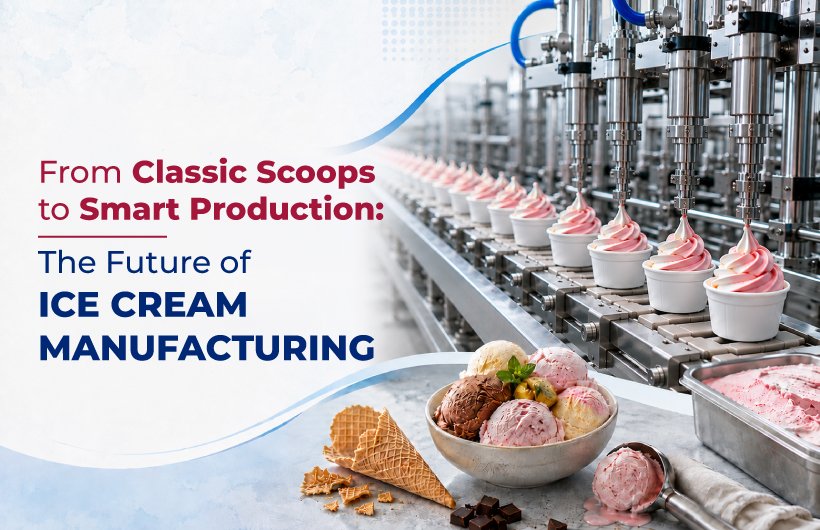
The ice cream industry is evolving with changing consumer preferences, new product concepts, and increasing demand for consistent quality. Ice Cream Processing has therefore become an important part of developing products that deliver the desired taste, texture, stability, and appearance across every batch.
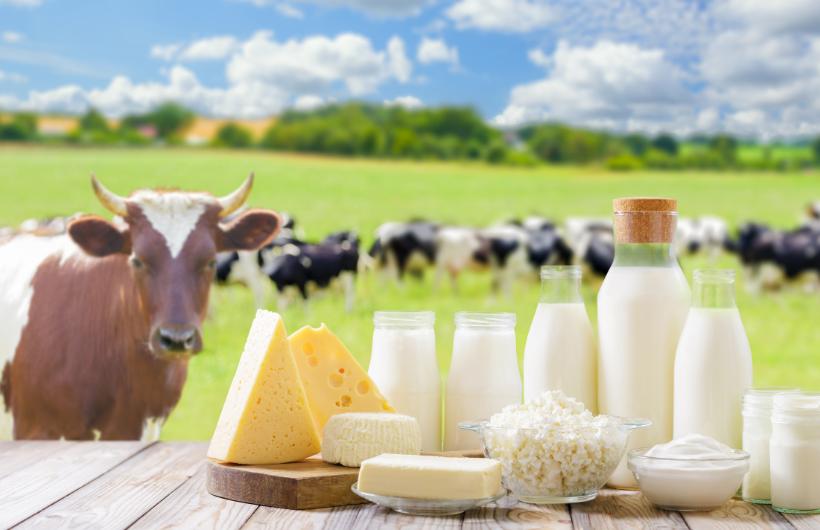
The dairy industry is evolving at a remarkable pace as changing consumer preferences, technological advancements, and sustainability goals reshape the way dairy products are produced, processed, and delivered. From smarter processing technologies to value-added dairy products, manufacturers are focusing on improving efficiency while meeting the growing demand for quality, safety, and innovation.
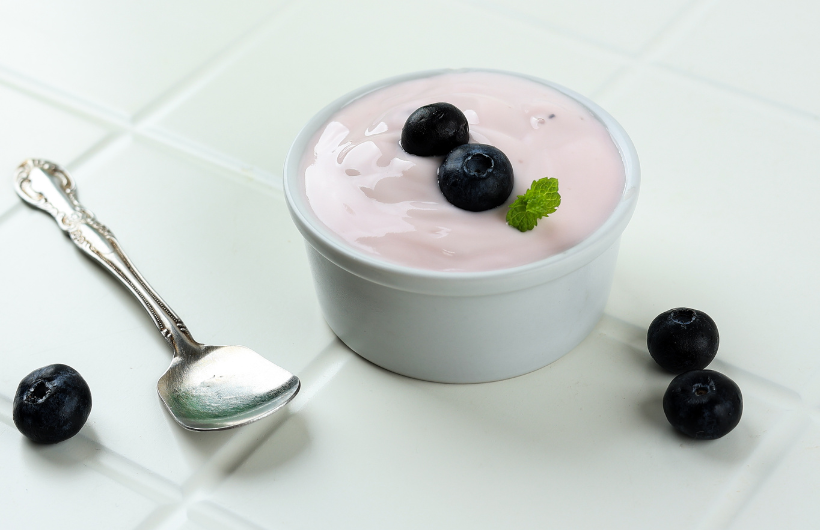
The yogurt market is evolving rapidly as consumers become more conscious about health, quality, convenience, and product innovation. What was once considered a simple dairy product has now transformed into a category driven by nutritional value, unique flavors, clean-label ingredients, and sustainable manufacturing practices.
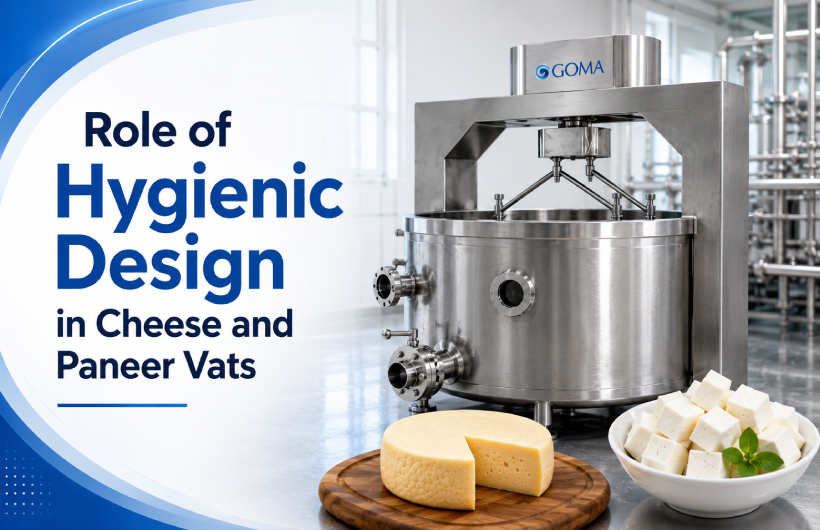
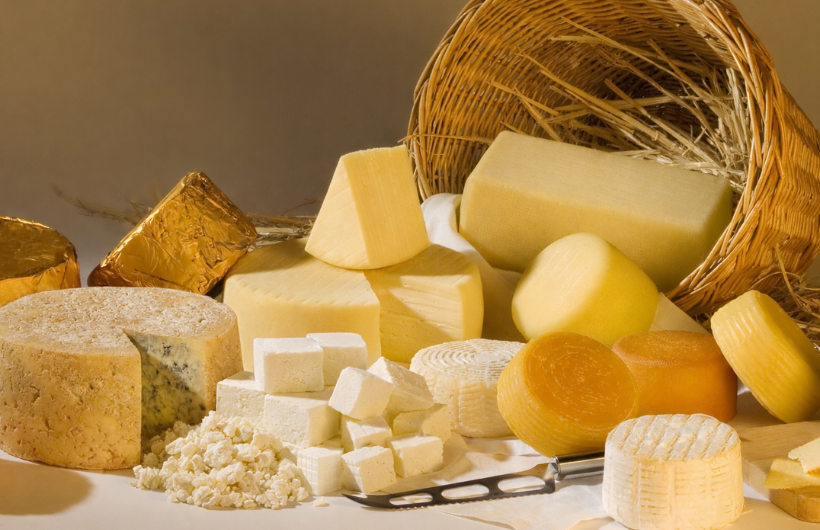
In modern dairy processing industries, maintaining hygiene is essential for ensuring product quality, food safety, and compliance with industry standards. Products like cheese and paneer are highly sensitive to contamination due to their high moisture and protein content, making hygienic processing equipment a critical requirement for dairy manufacturers.
India’s dairy sector has evolved dramatically over the last decade. What once operated through small-scale, manual systems is now transitioning into high-capacity, automation-driven facilities. For products like paneer and cheese, where texture, moisture, and shelf life are critical, scaling production requires far more than increasing batch size.
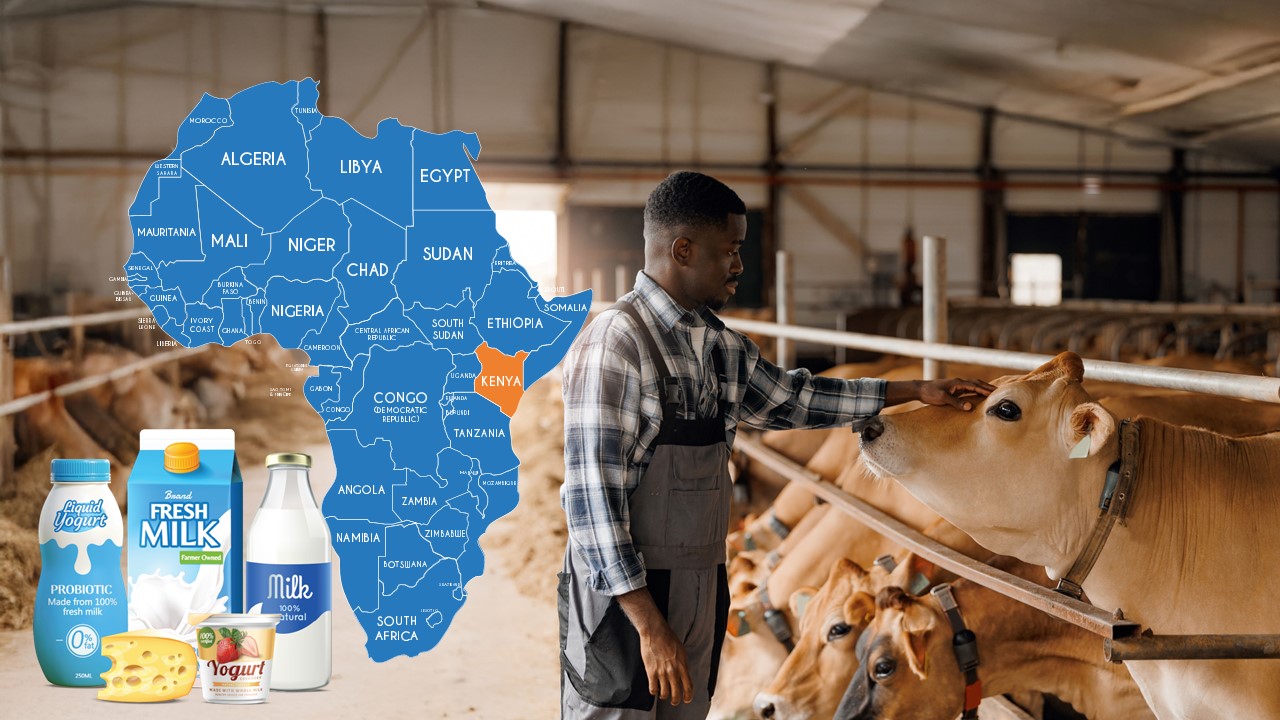
Kenya’s dairy industry is one of the most established and progressive in Africa, supported by strong processing capabilities, evolving consumer demand, and an increasing focus on quality-driven manufacturing. As dairy processors continue to scale operations and diversify product portfolios, the need for reliable, hygienic, and well-engineered milk processing plants becomes increasingly important.
Have you ever wondered why some yogurts are irresistibly smooth and creamy, while others feel grainy or watery? The secret lies not just in the recipe, but in the science and equipment behind the process. From milk selection to homogenization and fermentation, every step plays a vital role in shaping yogurt’s body, consistency, and mouthfeel.
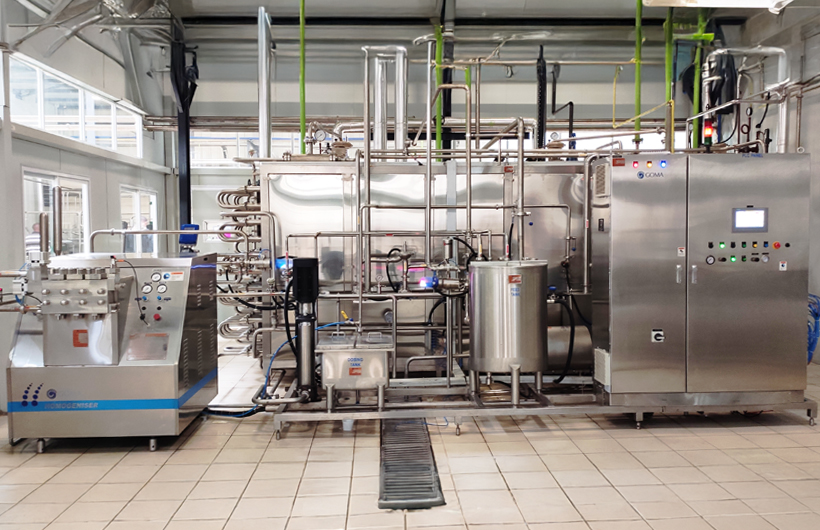
Walk into any modern dairy plant today, and you’ll notice a shift. Stainless steel pipelines, touch-screen panels, automated filling lines — machines are taking over jobs that once relied purely on skilled hands. But here’s the real question: can automation truly replace manual expertise in dairy processing, or do we still need the human touch?
India is the world’s largest producer and consumer of Dairy. From daily Milk consumption to growing demand for Yogurt, Cheese, and Ice Cream, Dairy is no longer just a household staple; it’s a booming business opportunity.
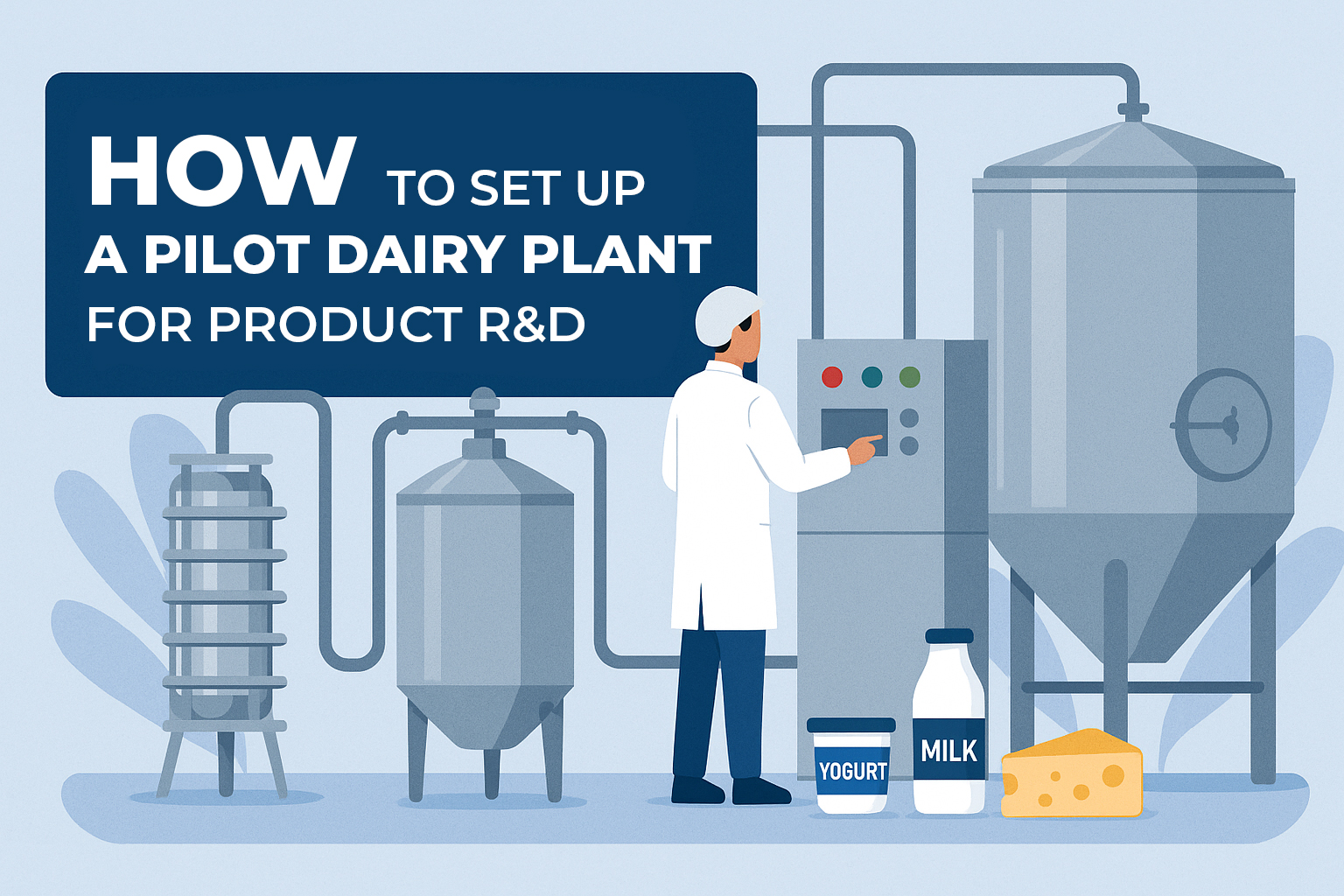
Big ideas often begin in small batches. Whether you're creating the next hit flavoured milk or experimenting with heat-stable proteins, having a pilot setup lets you explore without the high risks or wastage of a commercial line.
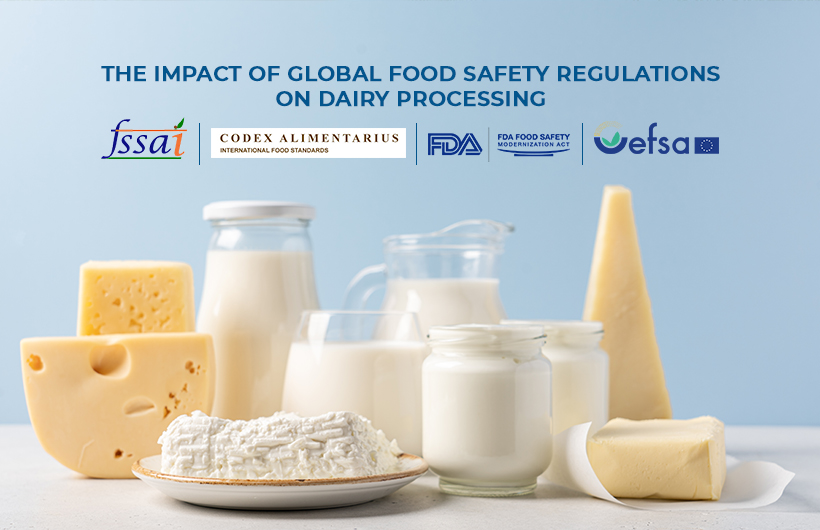
Dairy products are among the most highly regulated food categories due to their perishable nature and susceptibility to contamination. Governments and international organizations have established stringent food safety regulations to protect consumers and ensure dairy processors maintain the highest standards of hygiene, quality, and sustainability.
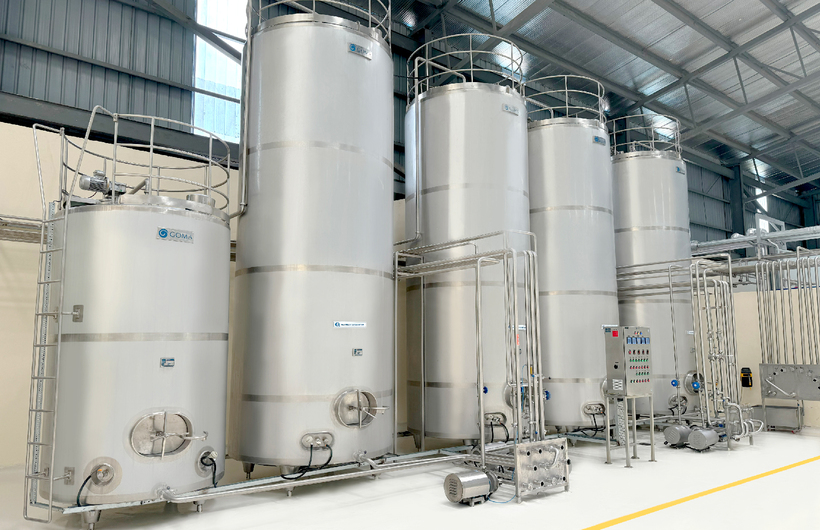
In the Dairy industry, milk tanks are crucial for keeping milk safe and fresh at all stages of production. They cool milk from cows right after milking and store it until it can be processed. The right milk tank helps maintain proper temperatures, prevents contamination, and prepares milk for processing or transport. At Goma, we design and manufacture high-quality milk tanks to meet the needs of dairy producers. In this blog, we will look at the different types of Milk tanks and how they work in Dairy operations.
Straight to your inbox