03 July 2026
Dairy Industry Trends to Watch This Year
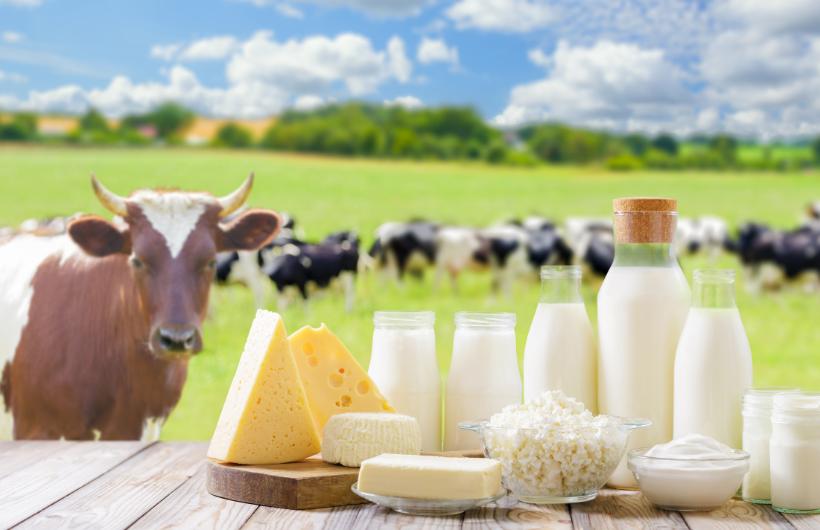
The dairy industry is evolving at a remarkable pace as changing consumer preferences, technological advancements, and sustainability goals reshape the way dairy products are produced, processed, and delivered. From smarter processing technologies to value-added dairy products, manufacturers are focusing on improving efficiency while meeting the growing demand for quality, safety, and innovation.
For dairy processors, staying ahead of industry trends is no longer optional—it is essential for maintaining competitiveness, ensuring regulatory compliance, and responding quickly to changing market demands. Here are some of the key dairy industry trends that are influencing the sector this year.
1. Growth of Value-Added Dairy Products
Consumer demand is shifting beyond traditional milk products toward value-added offerings such as Greek yogurt, probiotic drinks, high-protein milk beverages, lactose-free milk, flavored milk, and functional dairy products. These products provide enhanced nutritional benefits while allowing manufacturers to differentiate themselves in a competitive market.
Producing these products consistently requires advanced processing equipment capable of maintaining precise temperature control, accurate mixing, homogenization, and hygienic handling throughout the production process.
2. Use of Artificial Intelligence in Dairy Processing
Artificial Intelligence (AI) is rapidly transforming dairy processing plants by enabling smarter, data-driven decision-making across production operations. By analyzing large volumes of real-time data from sensors, equipment, and production lines, AI helps manufacturers optimize processes, improve efficiency, and maintain consistent product quality.
Modern dairy plants are increasingly adopting AI-powered systems for predictive maintenance, process optimization, quality control, and demand forecasting. These systems can detect patterns, identify inefficiencies, and provide actionable insights that help operators make informed decisions.
AI-driven solutions help manufacturers achieve:
- Improved process accuracy and consistency
- Early detection of equipment issues through predictive maintenance
- Reduced downtime and maintenance costs
- Enhanced quality control through real-time monitoring
- Better production planning and inventory management
As dairy processing becomes more complex and competitive, AI is emerging as a powerful tool that enables plants to operate more efficiently, reduce waste, and respond quickly to changing market demands.
3. Greater Focus on Food Safety and Hygiene
Food safety remains one of the highest priorities in dairy processing. Consumers and regulatory authorities expect manufacturers to maintain strict hygiene standards throughout production.
Modern processing facilities are investing in hygienic equipment designs, automated Cleaning-in-Place (CIP) systems, closed processing lines, and stainless-steel process equipment that minimizes contamination risks while simplifying cleaning and maintenance.
Maintaining product safety not only protects consumers but also strengthens brand reputation.
4. Energy-Efficient Processing Technologies
Rising energy costs are encouraging dairy manufacturers to adopt more energy-efficient processing solutions. Equipment designed for optimized heat recovery, efficient pasteurization, advanced homogenization, and intelligent process control can significantly reduce energy consumption without compromising product quality.
Energy efficiency also contributes to lower operating costs and supports long-term sustainability initiatives.
5. Digital Monitoring and Smart Manufacturing
Industry 4.0 technologies are becoming increasingly common in dairy processing plants. Real-time monitoring, remote diagnostics, production analytics, and predictive maintenance enable manufacturers to optimize plant performance while minimizing downtime.
Digital solutions provide valuable production insights that help improve process consistency, equipment utilization, and maintenance planning.
6. Sustainable Manufacturing Practices
Sustainability continues to influence investment decisions across the dairy industry. Manufacturers are adopting solutions that reduce water consumption, minimize waste generation, improve energy utilization, and optimize resource management.
Efficient process design, automated cleaning systems, and responsible production practices help dairy companies achieve both environmental and operational goals while meeting growing consumer expectations for sustainable products.
Preparing for the Future
The dairy industry is entering a new phase where innovation, efficiency, and sustainability are becoming equally important. Manufacturers that invest in modern processing technologies, automation, hygienic design, and digital capabilities will be better positioned to respond to changing market demands and maintain consistent product quality.
As consumer expectations continue to evolve, the ability to produce safe, high-quality, and value-added dairy products efficiently will define the next generation of successful dairy processors. By embracing these industry trends today, dairy manufacturers can build resilient operations that are prepared for the opportunities and challenges of tomorrow.