20 February 2026
Scaling from Traditional Production to Industrial Cheese & Paneer Manufacturing
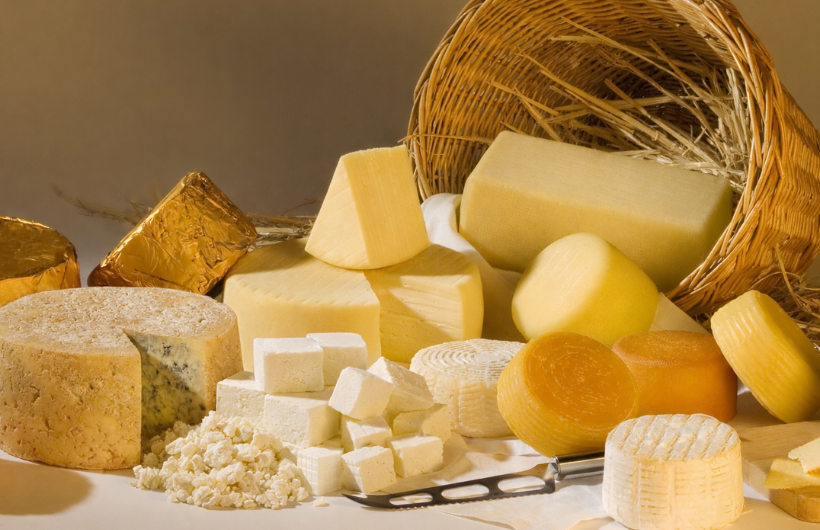
India’s dairy sector has evolved dramatically over the last decade. What once operated through small-scale, manual systems is now transitioning into high-capacity, automation-driven facilities. For products like paneer and cheese, where texture, moisture, and shelf life are critical, scaling production requires far more than increasing batch size.
The move from traditional setups to structured industrial systems is a strategic transformation that determines a dairy brand’s ability to compete in modern retail and food service markets.
The Limitations of Traditional Production
Traditional cheese and paneer manufacturing typically relies on open vats, manual coagulation, hand cutting of curd, and weight-based pressing systems. While these methods may work for limited daily output, they present challenges when demand grows:
-
Batch-to-batch inconsistency
-
Variation in moisture and yield
-
Higher contamination risks
-
Limited scalability
-
Labor-intensive operations
As dairy businesses expand into organized retail or institutional supply, these inconsistencies can directly affect brand reputation and profitability.
Why Industrial Scaling Is Different
Industrial dairy processing is built around precision and repeatability. Controlled heating systems, automated curd handling, standardized pressing mechanisms, and hygienic design ensure consistent results at higher capacities.
A modern paneer process plant integrates temperature control, optimized whey drainage, and automated pressing systems to maintain uniform texture and structure across every batch. Similarly, industrial cheese manufacturing requires careful control over coagulation parameters, agitation speeds, and moisture retention to deliver standardized output suitable for QSR and export markets.
Beyond the core processing equipment, integration with upstream and downstream systems is essential. A well-designed milk process plant ensures standardized milk input, which directly impacts the final cheese or paneer quality. Without proper milk
standardization and handling, even advanced processing equipment cannot guarantee consistency.
The Role of Homogenization & Process Control
One critical factor in scaling dairy production is product stability. In many modern applications, especially processed cheese and specialty dairy products, a High-pressure homogenizer plays an important role in achieving smooth texture, stable emulsions, and improved shelf life.
Industrial automation through PLC-based systems ensures that parameters such as temperature, pressure, and processing time remain within validated limits. This eliminates operator dependency and ensures that production remains consistent even at larger volumes.
The future of cheese and paneer manufacturing lies in automation-driven, hygienic, and scalable systems. As consumer expectations rise and structured markets demand uniformity, traditional production methods must evolve.
By integrating advanced process technology, standardized milk handling, and precision control systems, dairy businesses can confidently transition into industrial-scale operations, ensuring quality, efficiency, and long-term growth in a competitive marketplace.