30 March 2026
How Consumer Trends are Driving Innovation in Plant-Based Manufacturing
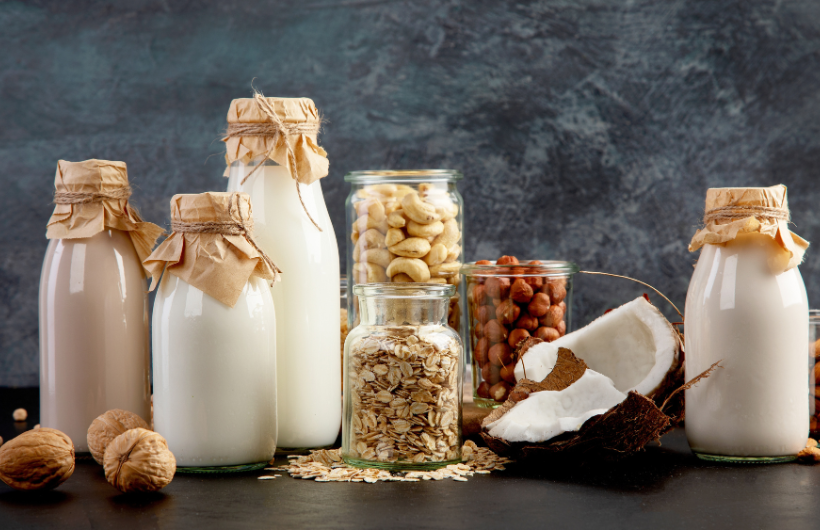
The plant-based industry is experiencing accelerated growth, fuelled by a shift in consumer behaviour toward healthier, sustainable, and ethically produced food options. Today’s consumers are not only adopting plant-based diets but are also demanding products that deliver on taste, nutrition, and transparency. This evolving demand is pushing manufacturers to innovate across every stage of production, from ingredient selection to final processing.
As a result, plant-based milk processing and broader vegan food manufacturing plant technologies are undergoing significant advancements. Manufacturers are investing in modern systems that enable flexibility, precision, and scalability to meet the expectations of a dynamic and rapidly expanding market.
Key Consumer Trends Shaping Plant-Based Manufacturing
1. Clean Label & Ingredient Transparency
Consumers are increasingly prioritizing clean-label products with minimal and recognizable ingredients. This trend is driving manufacturers to reduce additives while maintaining product stability and shelf life.
Impact on Processing:
-
Need for precise mixing and blending systems
-
Controlled processing conditions to preserve natural properties
-
Reduced reliance on artificial stabilizers
2. Demand for Functional & Nutrient-Enriched Products
There is a growing preference for plant-based products that offer added health benefits such as high protein, vitamins, and probiotics. Consumers now expect beverages and foods to deliver both nutrition and functionality.
Impact on Processing:
-
Integration of accurate dosing and formulation systems
-
Advanced homogenization for uniform nutrient dispersion
-
Flexible systems for plant-based protein processing
3. Focus on Taste, Texture & Mouthfeel
Taste and texture remain critical factors influencing consumer acceptance. Modern plant-based products must closely replicate the sensory experience of traditional dairy and meat products.
Impact on Processing:
-
High-pressure homogenization for improved consistency
-
Advanced grinding and emulsification technologies
-
Particle size control for enhanced mouthfeel
4. Sustainability & Ethical Consumption
Sustainability has become a key purchasing driver, with consumers favoring brands that adopt environmentally responsible practices.
Impact on Processing:
-
Adoption of energy-efficient thermal processing systems
-
Optimization of water and resource utilization
-
Reduction in processing waste through efficient extraction methods
5. Convenience & Ready-to-Consume Formats
Urban lifestyles are driving demand for convenient, ready-to-drink and ready-to-eat plant-based products with longer shelf life.
Impact on Processing:
-
Increased adoption of automated processing systems
-
Growth in aseptic processing and packaging technologies
-
High-speed filling and packaging solutions
Consumer expectations are fundamentally reshaping the plant-based manufacturing landscape. The demand for clean-label products, enhanced nutrition, superior taste, sustainability, and convenience is driving continuous innovation in processing technologies. Manufacturers that align their production capabilities with these evolving trends will be better positioned to remain competitive and capture emerging opportunities in the global plant-based market.