30 June 2026
High Pressure Pump Safety Standards & Operator Best Practices
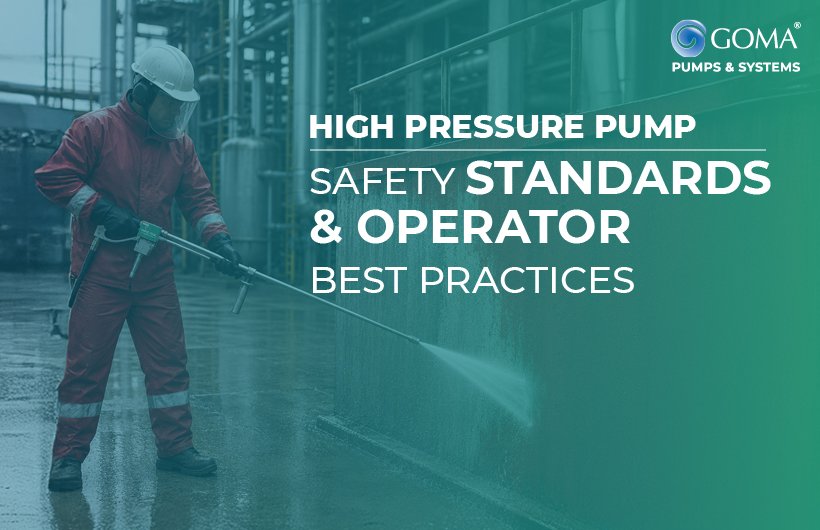
High-pressure water jetting systems are widely used across industrial sectors for high pressure operations. Safety standards become a critical check for these industries to ensure smooth functioning of the process lines. However, due to the intensity of operations, maintaining strict safety standards and following operator best practices is essential for ensuring reliable performance and workplace safety.
When combined with trained operators and preventive maintenance practices, these systems provide safe, efficient, and long-lasting performance across industries. Safety standards are different based on different industries.
Key Hazards of High-Pressure Pump Operations
- High-Velocity Water Jet Impact
- Water jets operating at high pressure can penetrate skin and cause severe injuries.
- Flying debris generated during cleaning can impact operators and nearby personnel.
- Direct exposure to the jet stream can damage eyes, hands, and exposed body parts.
- Improper handling of jetting equipment increases accident risks.
- Chemical Exposure Risks
- Cleaning operations may release hazardous chemicals, residues, or by-products.
- Exposure can occur through skin contact, inhalation, or accidental splashes.
- Toxic gases may be released when cleaning process equipment and storage tanks.
- Additional precautions are required when cleaning equipment during plant operations.
- Musculoskeletal Injuries
- Operators often handle heavy hoses, guns, and accessories.
- Continuous hose recoil can create strain on arms, shoulders, and back.
- Confined-space operations increase physical stress and fatigue.
- Wet and slippery surfaces increase the likelihood of slips, trips, and falls.
- Mechanical Hazards
- Exposure to rotating shafts, gears, belts, and couplings can cause serious injuries.
- Unprotected moving parts increase the risk of entanglement.
- Maintenance activities without proper lockout procedures create additional hazards.
- Limited working space around equipment can increase accidental contact.
- Confined Space Hazards
- Tanks, boilers, hoppers, and vessels may contain oxygen-deficient atmospheres.
- Toxic or flammable gases can accumulate inside enclosed spaces.
- Workers may face risks of entrapment or engulfment.
- Falling debris and restricted exits complicate emergency response situations.
Operator Best Safety Practices
- Pressure Relief Systems
- Install at least one pressure relief valve on every high-pressure pump.
- Regularly inspect and test relief devices for proper functioning.
- Ensure relief settings match the system operating pressure.
- Maintain documentation of inspection and testing activities.
- High-Pressure Hoses & Fittings
- Use hoses rated for the required operating pressure.
- Verify hose integrity before each operation.
- Replace damaged or worn hoses immediately.
- Select fittings and connectors compatible with operating conditions.
- Hose Safety Controls
- Install whip checks on all hose connections.
- Use protective shrouds around critical hose fittings.
- Route hoses away from traffic areas and sharp edges.
- Secure suspended hoses to prevent excessive movement.
- Automation Cleaning Systems
- Use automated cleaning tools wherever feasible.
- Reduce direct operator exposure to water jets.
- Improve cleaning consistency and productivity.
- Minimize risks associated with confined-space entry.
General Operator Best Practices
- Personal Protective Equipment (PPE)
- Safety helmet with face shield.
- Cut-resistant and waterproof gloves.
- Safety shoes with anti-slip soles.
- Safety goggles and hearing protection.
- Appropriate respiratory protection where required.
- Pre-Operational Inspections
- Inspect pumps, hoses, guns, valves, and connectors.
- Check pressure ratings of all components.
- Verify emergency shutdown systems.
- Ensure inspection records are maintained.
- Work Area Management
- Establish barricades and warning signage.
- Restrict access to authorized personnel only.
- Maintain clear emergency escape routes.
- Ensure adequate lighting and visibility.
- Safe Worker Positioning
- Avoid overhead cleaning whenever possible.
- Maintain stable footing during operations.
- Use approved work platforms for elevated access.
- Never operate from unstable ladders or surfaces.
In conclusion, maintaining strict safety standards and operational best practices during high pressure pump operations is essential for ensuring workforce safety, operational reliability, and long-term equipment performance. A proactive approach toward hazard identification, preventive maintenance, PPE compliance, operator training, and adherence to EHS protocols significantly minimizes workplace risks and enhances productivity. By implementing structured safety procedures, quality control measures, and industry-compliant operational guidelines, organizations can achieve efficient project execution while ensuring a safe, disciplined, and sustainable working environment across all manufacturing and site activities.