14 August 2026
Smart Dairy Plants: How Automation is Transforming Milk Processing
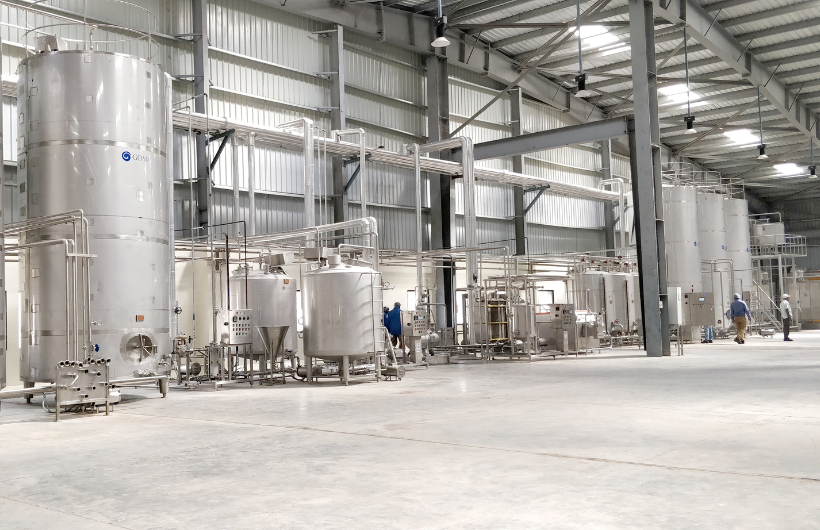
The dairy industry is moving towards smarter, more connected production environments where consistency, efficiency, and process control are becoming increasingly important. Dairy Automation is playing a key role in this transition by integrating equipment, controls, data, and monitoring into a unified processing system. From milk reception and pasteurization to homogenization, storage, and CIP, automation is helping dairy plants manage complex operations with greater control and reliability.
What Makes a Dairy Plant Smart?
A Smart Dairy Plant goes beyond individual automated machines. It connects different stages of production so that operators can monitor and manage processes from a centralized interface. Parameters such as temperature, flow, pressure, timing, and equipment status can be monitored continuously, helping teams maintain consistent operating conditions.
This connected approach also improves visibility across the production floor. Instead of relying solely on manual checks, operators can access process information in real time and respond quickly when a parameter moves outside its defined range.
The Role of PLC & SCADA
PLC & SCADA systems form an important part of automated dairy processing. PLCs manage equipment functions and execute programmed sequences, while SCADA provides a visual interface for monitoring and controlling plant operations.
Through a centralized interface, operators can view process parameters, equipment status, alarms, and production sequences. This makes it easier to identify deviations, coordinate multiple process stages, and maintain repeatable operating conditions.
For Automated Milk Processing, PLC-based control can coordinate processes such as temperature management, flow regulation, valve operation, tank transfer, and cleaning sequences. The result is a more structured production environment with reduced dependence on manual intervention.
Improving Process Consistency
Milk processing involves several interconnected stages, and variation at one stage can affect downstream operations. Automation helps maintain defined process conditions throughout the production cycle.
Automated sequences can ensure that processes follow predetermined operating parameters, while alarms and monitoring functions can highlight abnormal conditions. This contributes to consistent product handling and helps operators maintain better control over production.
Better Operational Visibility
One of the major benefits of Digital Dairy Solutions is improved access to process information. Real-time data allows plant teams to understand what is happening across different processing stages without constantly relying on manual inspection.
Historical process information can also support troubleshooting and performance analysis. By reviewing operating trends and recorded events, teams can identify recurring issues and make more informed operational decisions.
Supporting the Future of Dairy Processing
Automation is no longer limited to controlling individual machines. It is becoming an integral part of how dairy plants are designed, operated, and monitored. As processing facilities become more interconnected, the combination of automation, centralized control, and real-time information can create a more responsive production environment.
For dairy manufacturers, investing in a Smart Dairy Plant means building a processing setup that is better equipped to handle operational complexity while maintaining control across the production cycle.
The future of milk processing lies in connected systems where equipment and information work together. With Dairy Automation, PLC & SCADA, and integrated Digital Dairy Solutions, dairy plants can move towards more controlled, consistent, and data-driven production.


