19 June 2026
Hygienic Equipment Design: What Manufacturers Need to Know
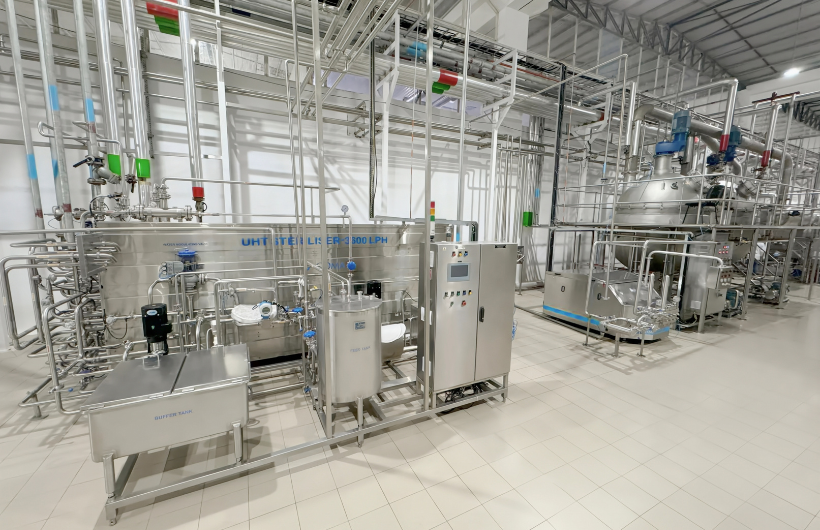
In today's highly regulated food, beverage, dairy, pharmaceutical, and personal care industries, hygienic equipment design has become a fundamental requirement for ensuring product safety, operational efficiency, and regulatory compliance. Manufacturers investing in hygienically designed processing equipment can significantly reduce contamination risks, improve cleaning effectiveness, and enhance overall production reliability.
Understanding Hygienic Equipment Design
Hygienic equipment design refers to the engineering and construction of processing systems that prevent product contamination and facilitate effective cleaning and sanitization. The objective is to eliminate areas where microorganisms, product residues, or foreign particles can accumulate and compromise product quality.
A well-designed hygienic system supports consistent production standards while minimizing downtime associated with cleaning, maintenance, and inspections.
-
Key Principles of Hygienic Design
Smooth and Cleanable Surfaces
All product-contact surfaces should be smooth, non-porous, and free from cracks, pits, or crevices. Surface finishes must be designed to prevent the accumulation of product residues and facilitate easy cleaning.
Stainless steel, particularly grades 304 and 316L, remains the preferred material due to its corrosion resistance, durability, and compatibility with cleaning chemicals.
Elimination of Dead Legs
Dead legs are stagnant sections within piping systems where product or cleaning solutions can become trapped. These areas create ideal conditions for bacterial growth and contamination.
Proper piping design should minimize dead legs and ensure continuous product flow, allowing cleaning solutions to effectively reach all internal surfaces during Cleaning-in-Place (CIP) operations.
Effective Drainability
Equipment should be self-draining wherever possible. Standing water after cleaning can become a breeding ground for microorganisms and compromise sanitation efforts.
Tanks, pipelines, valves, and processing equipment should be designed with appropriate slopes and drainage points to ensure complete removal of liquids after processing and cleaning cycles.
Hygienic Welding and Fabrication
Poorly executed welds can create crevices that trap product residues and microorganisms. Hygienic welding practices ensure smooth, polished, and fully penetrated weld joints that do not compromise cleanability.
Manufacturers should ensure that fabrication processes comply with recognized industry standards and undergo thorough inspection and validation.
Accessibility for Inspection and Maintenance
Even with advanced CIP systems, certain components require periodic inspection and maintenance. Hygienic equipment should provide easy access to critical areas without requiring extensive disassembly.
Simplified maintenance procedures help reduce downtime while ensuring consistent sanitation performance throughout the equipment lifecycle.
Importance of Regulatory Compliance
Manufacturers must comply with various international standards and guidelines governing hygienic equipment design. Organizations such as the European Hygienic Engineering & Design Group (EHEDG), 3-A Sanitary Standards, and regulatory authorities including the FDA and GMP, ISO and CE provide frameworks for designing and validating hygienic processing systems.
Compliance not only supports product safety but also enhances customer confidence and facilitates access to global markets.
Business Benefits of Hygienic Design
Investing in hygienically designed equipment delivers benefits beyond regulatory compliance. These include:
- Reduced risk of product contamination and recalls
- Improved cleaning efficiency and lower water consumption
- Shorter cleaning cycles and increased production uptime
- Extended equipment lifespan
- Lower maintenance costs
- Enhanced product quality and consistency
As consumer expectations and regulatory requirements continue to evolve, manufacturers must prioritize hygienic design at every stage of equipment development and facility planning.
Hygienic equipment design is a critical component of modern manufacturing operations. By focusing on cleanability, drainability, material selection, and compliance with industry standards, manufacturers can protect product integrity while improving operational performance. Organizations that invest in hygienic processing solutions are better positioned to achieve sustainable growth, maintain regulatory compliance, and meet the highest standards of product safety in increasingly competitive markets.