17 July 2026
How Mayonnaise Processing Plants Ensure Product Consistency
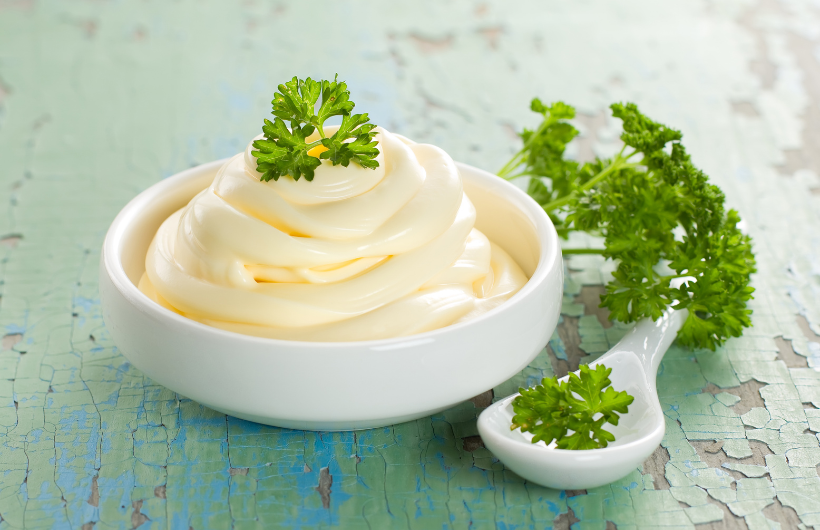
Consumers expect every pack of mayonnaise to deliver the same creamy texture, balanced flavour, smooth consistency, and stable shelf life. For manufacturers, meeting these expectations consistently is essential for maintaining product quality, customer trust, and brand reputation.
Achieving this consistency requires more than a standardized recipe. A well-integrated mayonnaise processing plant combines precise ingredient handling, controlled emulsification, automated dosing, pasteurization, and hygienic processing to ensure every batch meets the same quality standards. In this blog, we'll explore how each stage of the process contributes to consistent mayonnaise production.
Why Consistency Matters in Mayonnaise Manufacturing
For consumers, every bottle or pouch of mayonnaise should deliver the same creamy texture, smooth appearance, balanced flavour, and stable shelf life. Whether it is used as a sandwich spread, burger dressing, dip, or ingredient in ready-to-eat foods, product consistency plays a significant role in customer satisfaction and brand loyalty.
For manufacturers, achieving this consistency requires much more than following a recipe. The entire production process from ingredient preparation and emulsification to pasteurization, filling, and cleaning must be carefully controlled. A well-designed mayonnaise processing plant ensures that every batch meets the same quality standards while maintaining productivity, food safety, and operational efficiency.
What Determines Product Consistency?
Mayonnaise is an oil-in-water emulsion where oil droplets are uniformly dispersed within an aqueous phase. Since it contains high oil content, maintaining emulsion stability is essential. Any variation in mixing, temperature, ingredient dosing, or processing time can affect:
- Texture and viscosity
- Emulsion stability
- Flavour profile
- Colour and appearance
- Shelf life
- Product yield
An integrated processing plant minimizes these variations through controlled processing and automation.
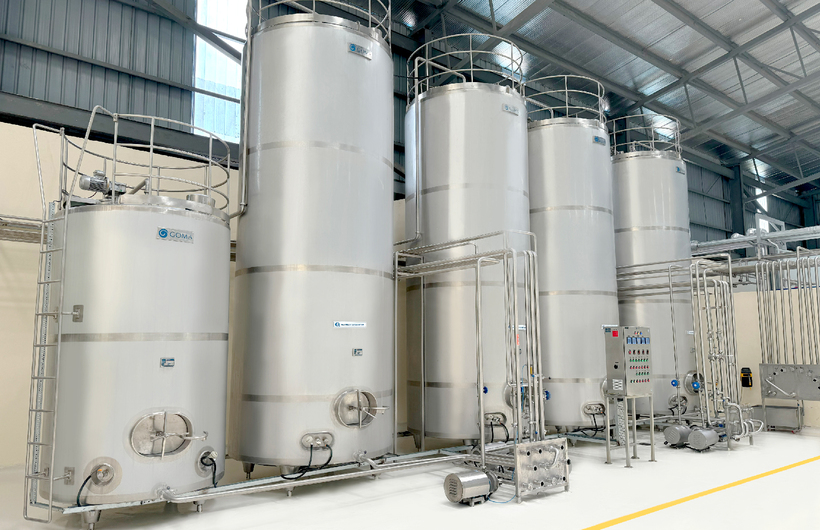
Key Equipment That Ensures Consistency
- Oil Phase & Aqueous Phase Mixers
- Powder Dosing & Hydration System
- Flavour & Acid Dosing Units
- Homogenizer
- Inline Pasteurization System
- Filling & Packaging System
- CIP System (Clean-In-Place)
Automation Plays a Critical Role
Modern mayonnaise processing plants integrate PLC and SCADA-based automation to monitor and control every stage of production.
Automation enables manufacturers to:
- Maintain precise process parameters
- Standardize production recipes
- Monitor critical process data in real time
- Reduce operator dependency
- Improve batch traceability
- Minimize product losses
With automated process control, manufacturers can consistently achieve the desired texture, flavour, and product quality across every production cycle.
Benefits of an Integrated Mayonnaise Processing Plant
An integrated processing line offers advantages that go beyond production capacity.
Improved Product Quality
Every processing stage is optimized to deliver consistent texture, taste, and appearance.
Higher Production Efficiency
Automated material handling and synchronized equipment reduce processing time and improve throughput.
Better Food Safety
Controlled processing and hygienic equipment design support safe food production practices.
Reduced Operational Costs
Accurate dosing, efficient mixing, and optimized cleaning reduce ingredient losses, energy consumption, and downtime.
Scalability
Integrated systems can be configured to support different production capacities and accommodate multiple mayonnaise formulations.
Choosing the Right Processing Partner
Selecting the right mayonnaise processing plant involves more than purchasing individual machines. Manufacturers benefit from integrated solutions that ensure compatibility across all processing stages, simplify plant operation, and support long-term production reliability.
A complete processing line including Oil Phase & Aqueous Phase Mixers, Powder Dosing & Hydration System, Flavour & Acid Dosing Units, Homogenizer, Inline Pasteurization System, Filling & Packaging System, and a CIP System helps manufacturers produce mayonnaise with consistent texture, flavour, stability, and quality while improving operational efficiency.
Consistency is one of the defining factors of a successful mayonnaise brand. Consumers expect every pack to deliver the same taste, texture, and quality, regardless of when or where it is produced. Achieving this level of repeatability requires a well-integrated processing plant where every stage from ingredient preparation and emulsification to pasteurization, filling, and cleaning is precisely controlled.
By combining the right processing equipment with automated process control, manufacturers can enhance product quality, reduce production variability, improve food safety, and build greater confidence in their brand across every batch.